
Damp, mould and condensation
Reporting damp and mould
At Eden Housing Association, we’re committed to ensuring your home is free from damp and mould. If you’re concerned about damp, mould, or condensation in your home, please report it to us as soon as possible.
Damp and Mould in the home can affect the health and wellbeing of you and your family; it’s important to report this to us as early as possible so we can resolve the issue.
You can report damp and mould by contacting our repairs team.
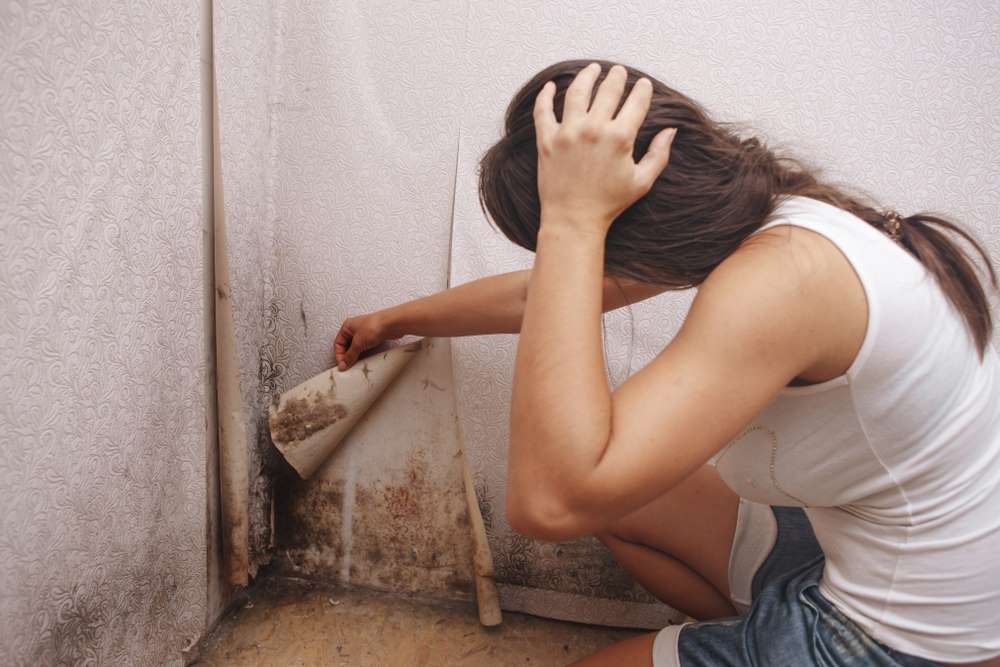
There are four main types of dampness that most commonly affect homes;
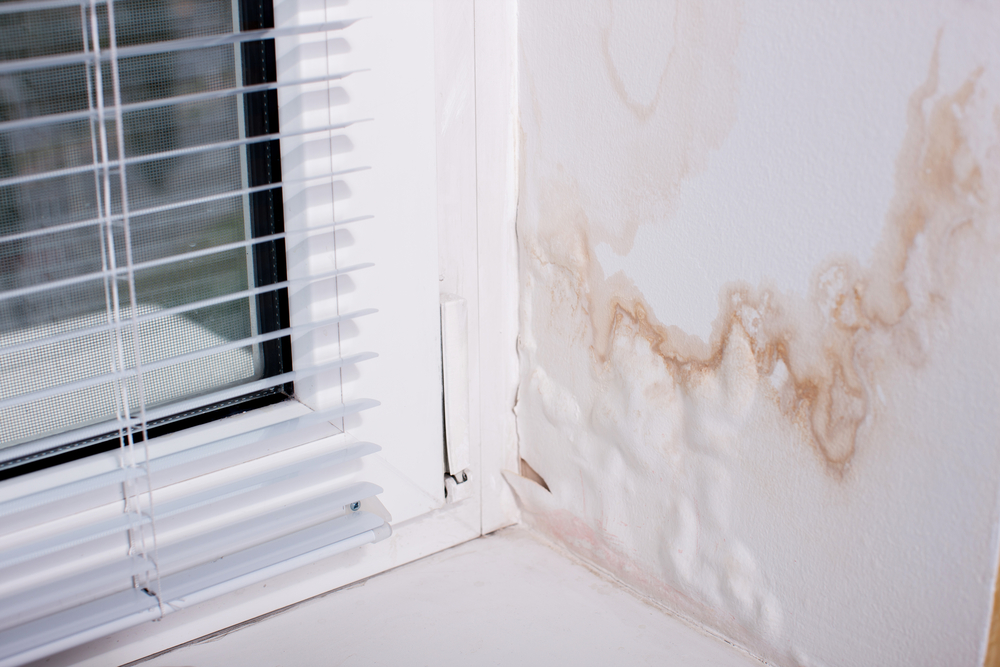
This sort of dampness is usually found on external walls or ceilings. It only appears because of a defect outside the home – things like missing pointing, cracked render,missing slates or tiles or damaged gutters.
These defects allow rain water to pass fromthe outside to inner surfaces. Penetrating dampness is far more noticeable afterrainfall and normally appears as a well defined ‘damp patch’ which looks and feelsdamp to the touch.
Black mould is rarely seen on areas of penetrating dampness. This is because the
area is usually too wet and the dampness contains salts picked up when passing
through the wall, which prevent the growth of black mould.
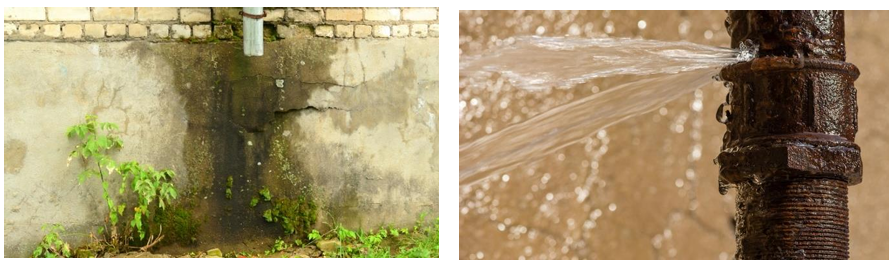
Leaks from water and waste pipes can be common, especially in bathrooms and
kitchens. The affected area looks and feels damp to the touch, and stays damp
whatever the weather conditions outside. You can usually source the problem by
checking:
- the water and waste pipes serving the kitchen and bathroom
- seals around the bath, shower and sinks
- external pipework, such as guttering
Black mould is rarely seen on this type of dampness as the area is usually too wet and the chemicals in a waste water leak will prevent mould growth
This is generally caused by water rising from the ground into the home. The water gets through or round a broken damp proof course (DPC) or passes through the natural brickwork if the property has no DPC.
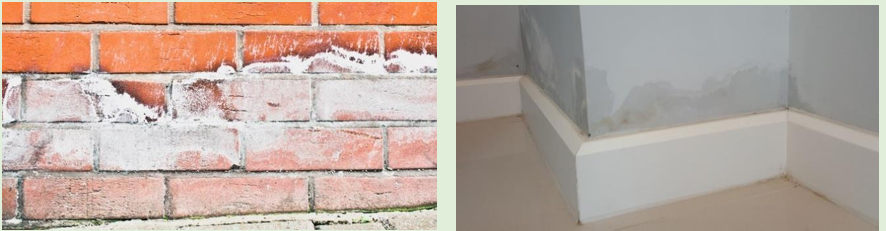
A DPC is a horizontal layer of waterproof material in the walls just above ground level, to stop moisture rising through the walls. Rising damp will usually only affect basements and ground floor rooms. It will normally rise no more than 12 to 24 inches above ground level and usually leaves a ‘tide mark’ low on the wall (see images).
You may also notice white salts on the affected areas called ‘efflorescence salts’. Rising damp will be present all year round but is more noticeable in winter. If left untreated it may cause wall plaster to crumble and paper to lift in the affected area.
Black mould will not usually be seen where there is rising damp. This is because rising dampness carries with it ground salts which prevent the growth of black mould.
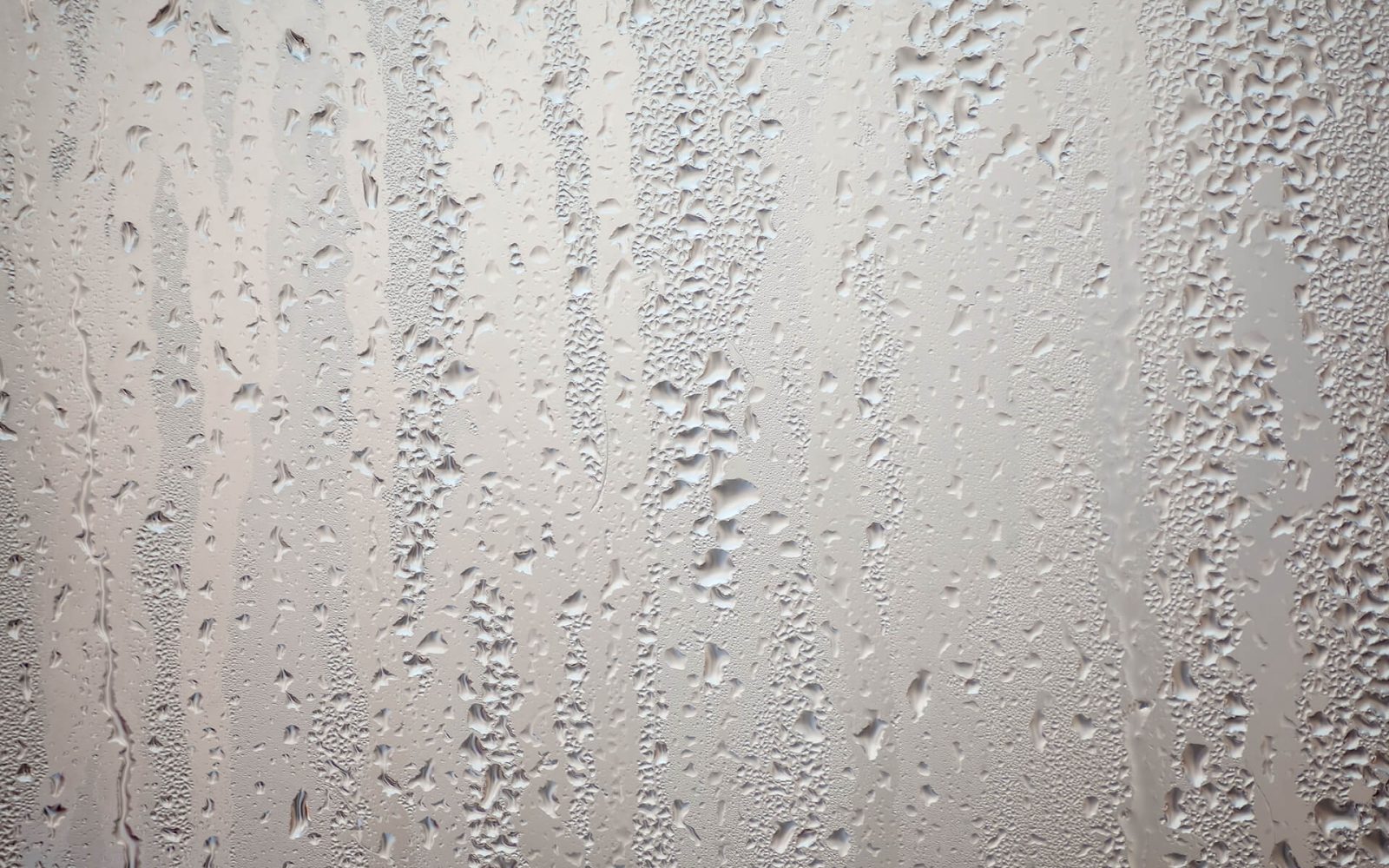
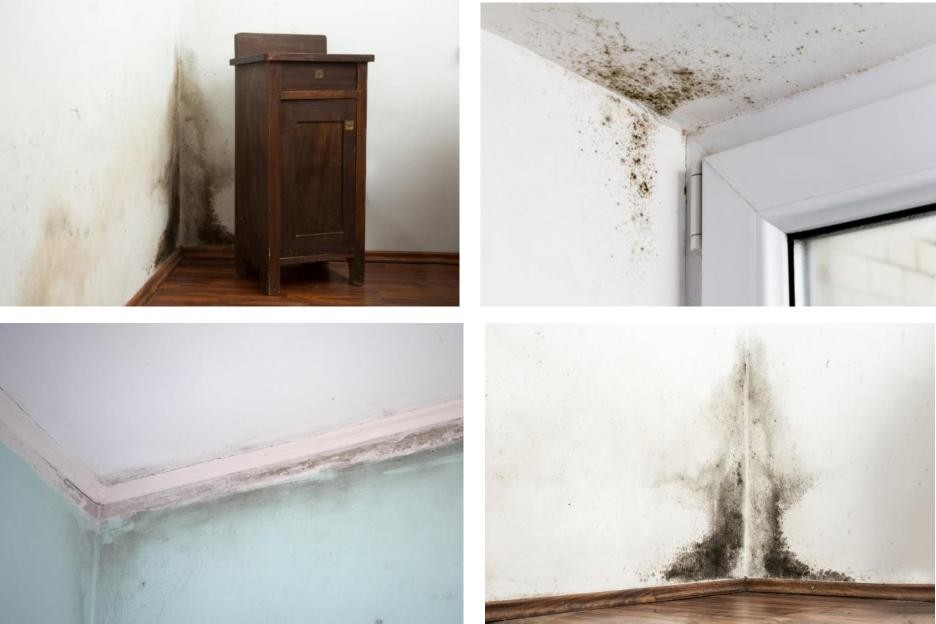
Is the most common type of dampness. Condensation is caused by water vapour or moisture from inside the home coming into contact with a colder surface, such as a window or wall. The resulting water drops (condensation) may then soak into the wallpaper or paintwork or even plasterwork. In time, the affected damp areas then attract black mould that grows on its surface.
Condensation mainly occurs during the colder months, whether it is rainy or dry outside. It is usually found in the corners of rooms, north facing walls, on or near windows. It is also found in areas of poor air circulation such as behind wardrobes or beds – especially if they are pushed up against external walls.
Black mould is frequently seen on this type of dampness.
Five Steps to reducing condensation and mould growth
1. Produce less moisture
Ordinary daily activities produce a lot of moisture. To reduce this:
- Dry clothes outdoors if possible. Avoid drying clothes indoors or if you have to, dry them on a clothes airer in the bathroom with the door closed and either an extractor fan on or a window slightly open.
- Vent tumble driers to the outside (never into the home) or buy a condensing type.
- Cover pans when cooking, and do not leave kettles boiling.
- Do not use paraffin or gas bottle heaters. They produce large amounts of water vapour and are very expensive to run.
2. Remove excess moisture
Always wipe the windows and window sills of your home every morning to remove condensation. This is especially important in the bedroom, bathroom and kitchen – just opening the window is not enough. Don’t leave damp towels on window sills, instead use kitchen roll or similar to dry off windows and sills and then throw this away.
3. Heating
Ideally, in cold weather, the best way to keep rooms warm and avoid condensation is to keep low background heat on for longer periods – rather than short bursts of high heat. We know that this might be difficult with rising energy prices.
To help avoid condensation, having a more constant temperature throughout your home is better. If there are rooms that you don’t use, closing these off, but keeping them well aired will help – make sure you check in them regularly for dampness or mould growth. Use heating controls on your radiators or heaters, and the timer functions to help you control the heating and manage costs.
4. Ventilation
It is important to remove condensation and excess moisture by ventilating rooms. You can ventilate a room without making draughts or causing it to become cold.
To do this, you may only need to open the window slightly or use the trickle vent fitted to newer windows. This allows warm, moisture filled air to escape to the outside and let cool dry air into the property.